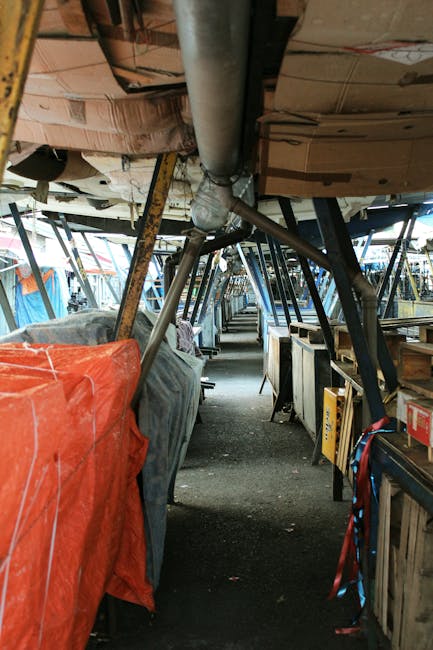
E9 Hackney Wick removals for flats above Ridley Road Market
Moving out of a flat above Ridley Road Market is rarely just a matter of boxes and a van. Stairs can be tight, parking can be awkward, and there is often a steady flow of people, deliveries, and market activity right where you need a clear path. That is why E9 Hackney Wick removals for flats above Ridley Road Market needs a slightly different approach from a standard local move. Done well, it feels calm and organised; done badly, it turns into a morning of delays, lifted shoulders, and that lovely London moment where everyone is in everyone else's way.
This guide explains how the move works, what makes these flats tricky, and how to plan a smooth, safe removal without overcomplicating it. You will also find a practical checklist, a comparison table, and realistic advice for choosing the right service level for your flat move in E9.
Expert summary: The best removals for flats above Ridley Road Market are usually the ones planned around access first, packing second, and speed last. If the route, parking, and lift or stair situation are thought through early, the rest becomes much easier.
Why E9 Hackney Wick removals for flats above Ridley Road Market Matters
Flat moves in this part of Hackney are shaped by the building, the street, and the wider neighbourhood. If you are moving from above Ridley Road Market, you are not dealing with a neat suburban driveway and a wide front door. You are often dealing with mixed-use access, limited waiting space, shared entrances, narrow staircases, and the ordinary bustle that comes with a busy East London location.
That matters because removals are won or lost on small details. Can the van stop close enough? Is there space to carry a sofa without knocking corners? Will you need a second person to keep the route clear? These are the questions that save time and protect your belongings. In our experience, people often underestimate how much difference access makes until the moving day begins and the first wardrobe is halfway down a tight stairwell.
For a local flat move, the goal is not just to transport items from A to B. It is to do it without damage, without avoidable stress, and without holding up neighbours, traders, or pedestrians. That is especially true in busy E9 locations where the road outside may already be doing a full day's work by 8:30 in the morning.
If you are comparing service types, it can help to look at the wider range of moving support available, such as flat removals, man and van, and removal services. The right choice depends on volume, access, and how much lifting you want to manage yourself. Simple enough on paper. Less simple with three flights of stairs and a wardrobe that suddenly becomes very ambitious.
Table of Contents
- Why E9 Hackney Wick removals for flats above Ridley Road Market Matters
- How E9 Hackney Wick removals for flats above Ridley Road Market Works
- Key Benefits and Practical Advantages
- Who This Is For and When It Makes Sense
- Step-by-Step Guidance
- Expert Tips for Better Results
- Common Mistakes to Avoid
- Tools, Resources and Recommendations
- Law, Compliance, Standards and Best Practice
- Options and Comparison Table
- Case Study / Real-World Example
- Practical Checklist
- Conclusion
- Frequently Asked Questions
How E9 Hackney Wick removals for flats above Ridley Road Market Works
A good flat removal normally starts before moving day. The key is to assess the property properly and plan the job around the route, the furniture, and the timing. For a flat above Ridley Road Market, that usually means checking the stairwell width, entrance layout, any lift access, parking restrictions, and whether large items can be manoeuvred without scraping walls or railings.
Once the move is booked, the next step is to prepare the load in a way that suits the building. Smaller, well-labelled boxes are much easier to carry upstairs or downstairs than oversized boxes packed to the brim. Heavy items like books should be split across several boxes, not all crammed into one heroic container that nobody wants to touch.
On the day itself, movers usually arrive with a van sized to the job, plus equipment such as blankets, straps, and trolleys where suitable. If the route is clear and items are packed sensibly, the team can work through the flat methodically. If access is tight, the process may be slower but still smooth if it has been planned properly. That is the bit people miss. Slow does not have to mean messy.
For larger or mixed loads, you may also want options such as a removal van, moving truck, or even removal truck hire depending on the scale of the move. The key is not to book the biggest vehicle by default. Bigger is not always better in an E9 street with limited stopping space.
Key Benefits and Practical Advantages
The real benefit of a well-run flat move above Ridley Road Market is control. You know what is happening, when it is happening, and who is carrying what. That sounds basic, but in removals it makes a huge difference.
- Less damage risk: Proper packing and careful handling reduce scuffs, broken corners, and dents in furniture.
- Better use of time: A planned route and clear access make the move quicker, even if the building is awkward.
- Less neighbour disruption: Efficient loading keeps hallways and entrances clear for everyone else.
- More flexibility: A small van or man-and-van setup can often suit local E9 moves better than a large vehicle.
- Lower stress: When you know the access plan, you can focus on the move itself rather than the chaos around it.
There is also a mental benefit people do not always talk about. A flat move can feel like a long day before it has even begun. Knowing that packing, loading, transport, and unloading are handled in a sensible sequence gives you back a bit of breathing room. And honestly, that is worth a lot when you are balancing keys, paperwork, and the little panic of "where did I put the kettle?"
If you need extra help getting boxes organised, packing and boxes can be a useful part of the process. For people who want less hands-on work, packing and unpacking services can make the whole day feel more manageable.
Who This Is For and When It Makes Sense
This type of move is a strong fit for anyone living in, or moving out of, a flat in E9 where access is limited and the building sits in a busier local setting. That includes renters, first-time buyers, sharers, students, and anyone downsizing from a small flat where every item has to earn its place in the van.
It also makes sense if you are moving on a tight timetable. Maybe your tenancy ends at midday. Maybe the new place is only a few streets away. Maybe you are moving after work and need everything done before the evening rush builds up. In those situations, a simple, local removal setup often works better than overplanning a large-scale house move model that does not really suit the property.
You might also need this if you are moving a few bulky pieces, not an entire home. A sofa, a bed base, a dining table, a few boxes, and a mirror can all be enough to make flat access the main issue. For those lighter but still awkward moves, a man with van arrangement can be a practical option.
And if your move is part of a broader life change, such as leaving a student flat or shifting between temporary lets, the same logic applies. Keep the operation simple, keep the items protected, and avoid carrying more than the building can comfortably handle. That sounds obvious, yet people still try to carry a mattress, a lamp, and a plant in one go. Brave, but not ideal.
Step-by-Step Guidance
1. Measure access before you commit
Measure the stairs, doors, hallway turns, and any awkward landings. If your sofa was squeezed in when first delivered, it will probably need the same level of care on the way out. Note any low ceilings, tight corners, or shared corridors that could slow the move.
2. Sort what is moving and what is not
Before packing begins, separate keep, donate, recycle, and dispose piles. Flat moves get much easier when you are not taking unnecessary clutter with you. If a chair is broken and you have not used it in two years, now may be the moment to let it go.
3. Book the right transport size
Do not guess. Choose a vehicle based on the volume of furniture and boxes, not hope. A smaller van may be perfect for a one-bedroom flat; a bigger load may need more capacity or a staged move. If you are unsure, ask for advice early and describe the large items honestly.
4. Pack for stairs, not storage
Pack boxes so they can be lifted safely. That means manageable weight, clear labelling, and solid tape on the bottom. Use soft items like towels and bedding to cushion breakables where appropriate. If a box feels too heavy in your hands, it is too heavy. Simple test, really.
5. Reserve time for loading and unloading
Busy London roads can add small delays even on an ordinary day. Build a little margin into your plan, especially if there is market footfall, deliveries, or shared access outside the building. That little buffer is often what saves the day from turning ragged.
6. Keep essentials separate
Pack a small bag with keys, medication, chargers, documents, water, and a change of clothes. When the last box disappears into the van, you do not want to be hunting for toothpaste in a sea of cardboard.
Expert Tips for Better Results
After many local moves, one thing becomes clear: the best results come from people who prepare just enough, not people who try to control every tiny detail. There is a balance.
- Use colour labels for rooms: It sounds basic, but it speeds up unloading and reduces confusion.
- Protect doors and corners: If you are handling the move yourself, blankets and corner guards can prevent those annoying little chips.
- Disassemble furniture early: Bed frames, table legs, and shelving units are much easier to move in smaller parts.
- Keep screws and fixings in one bag: Tape the bag to the item or keep it with the matching room label.
- Think about the return route: If your new flat is also in a tight building, plan how items will be taken in before the van even leaves E9.
One practical tip that often gets overlooked: if you have a narrow stairwell, place the largest items near the front of the move plan so they are handled while everyone is fresh. By the end of the day, nobody wants to wrestle a wardrobe around a corner at 4:45 p.m. with the street getting busier and everybody a bit tired.
If you are dealing with a full home rather than just a flat, it may be worth comparing home moves and house removals so you do not overspend on a larger package than you need.
Common Mistakes to Avoid
Most flat move problems are preventable. They are usually not dramatic disasters, just a series of little mistakes that stack up. A box too heavy here, a missing parking plan there, and suddenly the morning feels twice as long.
- Ignoring access details: If the building has a tight stairwell, say so. Do not assume it will be obvious on the day.
- Overpacking boxes: Books and kitchenware can make boxes dangerously heavy very quickly.
- Leaving packing until late evening: You know how this ends. There is always one drawer you forgot.
- Booking the wrong vehicle: Too small means extra trips; too large can make urban access awkward.
- Forgetting building rules: Some flats have entry times, lift rules, or noise considerations that need respecting.
- Not checking insurance: If something valuable matters to you, ask how it is covered before the move starts.
Truth be told, the most expensive mistake is often not the move itself. It is the delay caused by poor planning. A delayed key handover, a blocked entrance, or a van that cannot park where expected can cost far more in time and frustration than careful preparation ever would.
Tools, Resources and Recommendations
You do not need a van full of specialist equipment to move a flat, but a few sensible tools make a huge difference. Even if you are using professional help, it helps to understand what is likely to be used and why.
- Sturdy boxes: Choose uniform sizes where possible so they stack neatly.
- Packing tape: Use proper tape, not a hopeful strip that peels off halfway down the stairs.
- Furniture blankets: Helpful for protecting wooden pieces, mirrors, and other delicate items.
- Straps: Useful for securing loads in the van.
- Labels and marker pens: Fast, practical, and worth their weight in reduced confusion.
- Trolley or sack truck: Helpful for heavier boxes where the route allows it.
For people who want a fuller moving setup, removals and removal services offer a broader solution than a single van journey. If you only need to move a few items, furniture removals or furniture pick up may be the better fit.
Law, Compliance, Standards and Best Practice
For a flat removal, compliance is mostly about safe practice, property access, and sensible handling rather than anything overly technical. In the UK, moving companies generally need to work carefully around parking, loading, road use, and building access rules. That means checking permissions where necessary, avoiding obstruction, and treating shared spaces with respect.
Insurance is another practical consideration. If you are moving items with real value, it is worth understanding what is covered in transit and what is not. The details matter. Reputable movers should be able to explain how they handle risk, what they expect from you, and how claims would be managed if something unexpected happened.
You can also look for a service that takes health and safety seriously. That includes safe lifting, sensible vehicle loading, and proper attention to fragile or awkward items. It is not about making the job feel formal for the sake of it. It is about preventing avoidable harm. For more background, the site's insurance and safety and health and safety policy pages explain the general approach in plain terms.
If sustainability matters to you, it can also help to ask about reuse, recycling, and responsible disposal of unwanted furniture. A move is often the best moment to reduce waste, not create more of it. That is just good sense, really.
Options and Comparison Table
Different moves need different setups. Here is a simple comparison to help you choose the right approach for flats above Ridley Road Market and similar E9 properties.
| Option | Best for | Pros | Limitations |
|---|---|---|---|
| Man and van | Small to medium flat moves | Flexible, local, often cost-effective | Less suitable for very large loads |
| Removal van | Typical one- to two-bedroom flat moves | Good balance of space and manoeuvrability | May need careful loading if access is tight |
| Moving truck | Larger flat contents or multiple bulky items | More capacity in fewer trips | Can be awkward on narrow streets or restricted access |
| Full removals service | Busy or stressful moves needing more support | Can include packing, loading, transport, and unloading | Usually more involved than a basic small-move setup |
The best option is not always the cheapest one on paper. It is the one that fits the property, the load, and your energy level on the day. If you are already juggling a lease deadline and a new job start, paying for extra help may save you a lot more than it costs.
Case Study / Real-World Example
Here is a realistic example. A tenant moving out of a one-bedroom flat above a busy market-facing street in E9 had a sofa, mattress, desk, boxed kitchen items, and a few plants. Nothing outrageous. But the staircase was narrow, there was no lift, and the pickup window had to work around both the market traffic and a fixed key handover time.
The move went well because three things were done early. First, the large furniture was measured against the stair turns. Second, the boxes were packed so that no one was carrying absurdly heavy loads. Third, the vehicle size was kept practical rather than excessive. The result was not flashy, just smooth. The team loaded efficiently, kept the hallway clear, and had time left for a second quick check of the flat before leaving.
The small detail that mattered most? The kettle box was labelled clearly and kept near the top of the load. Sounds trivial, but when you arrive in a new flat and can make a hot drink before unpacking anything else, the whole day feels a bit kinder. Little win, big morale boost.
Practical Checklist
Use this before moving day so nothing obvious gets missed.
- Confirm the moving date, key handover time, and access window.
- Measure large furniture against stairs, doors, and hall corners.
- Check whether parking or waiting space needs planning in advance.
- Pack boxes by room and keep them a manageable weight.
- Label fragile items clearly.
- Disassemble furniture that will not safely fit through the route.
- Keep essentials, documents, and chargers in a separate bag.
- Arrange building access instructions if needed.
- Ask about insurance and handling for valuable items.
- Set aside cleaning supplies for the final flat check.
- Plan a backup for items that may not fit on the first run.
If storage is part of your plan, perhaps because your completion date and move-in date do not line up neatly, take a look at storage. For students or people moving lighter loads between lets, student removals can also be relevant.
Conclusion
E9 Hackney Wick removals for flats above Ridley Road Market are all about planning around real-world access. Tight stairs, busy streets, and market-side activity do not make the move impossible; they just make good preparation more valuable. Once you choose the right vehicle, pack in a sensible way, and think through the route before the boxes start moving, the whole process becomes much more predictable.
The best moves are rarely the most dramatic ones. They are the ones where you arrive, unload, breathe out, and realise nothing has been left to chance. That calm feeling at the end? That is the goal. And to be fair, it is a very nice feeling indeed.
Get a free quote today and see how much you can save.
If you are ready to plan your move properly, explore the relevant services, compare your options, and choose the support level that fits your flat, your timetable, and your budget. A thoughtful move is a lighter move.
Frequently Asked Questions
What makes removals from flats above Ridley Road Market different?
The main difference is access. You are usually dealing with tight stairs, mixed-use surroundings, limited stopping space, and more foot traffic than in a quieter residential street. That means the move needs a more careful plan.
Do I need a large van for a flat move in E9?
Not always. Many one- or two-bedroom flat moves work better with a removal van or man-and-van setup. The right size depends on furniture volume, access, and whether items can be dismantled.
How early should I book my removal service?
As early as you can once your date is confirmed. Even local moves benefit from planning, especially if the area is busy or you need a specific time window.
Can movers handle stairs in a flat above a market area?
Yes, but the stairs and route should be described accurately in advance. That helps the team bring the right number of people and plan the handling of bulky items.
What should I do with heavy boxes of books?
Split them into smaller boxes. Heavy boxes are the quickest way to make a move harder than it needs to be, and they are awkward to carry on stairs.
Is packing help worth it for a small flat?
For many people, yes. If time is tight or you simply do not want to spend late nights taping boxes, packing support can remove a lot of stress.
What if my furniture does not fit through the stairwell?
If that is possible, measure it before moving day. Sometimes partial disassembly solves the problem. If not, you may need a different handling plan or a more suitable removal method.
Are there any safety issues with market-side removals?
Yes, mainly around foot traffic, loading space, and keeping entrances clear. Good planning and careful timing help reduce those risks.
Should I choose a man and van or a full removals service?
If you have a modest load and want flexibility, man and van may be enough. If you need packing, heavier lifting, or a more hands-off experience, a fuller removals service is often the better fit.
Can I move on the same day if plans change suddenly?
Sometimes, yes. It depends on availability and the size of the job. If your move has become urgent, look at options such as same-day removals rather than trying to force a plan that no longer fits.
What should I keep with me during the move?
Keep keys, ID, charging cables, medication, important documents, and a small amount of cleaning gear with you. Those are the things you will want easy access to straight away.
How do I avoid damaging walls and bannisters?
Use blankets, move slowly, and measure awkward items before lifting. Protecting the route is just as important as protecting the furniture. Little scrapes add up fast.
Where can I learn more about the company and its policies?
You can read more about the team on the about us page, and review key details such as payment and security or the terms and conditions before booking.