Hackney Central House Removals Guide for Narrow Victorian Terraces
Moving out of a narrow Victorian terrace in Hackney Central can feel a bit like a game of careful Tetris, except the pieces are wardrobes, mattresses, and a sofa that looked smaller in the showroom. Front doors are often tight, hallways can be awkward, staircases can turn sharply, and parking is rarely generous. If you are planning a move in this part of East London, this Hackney Central house removals guide for narrow Victorian terraces will help you plan properly, avoid unnecessary stress, and keep the day moving without chaos.
To be fair, most moving problems in these homes are predictable. The good news? Predictable problems are manageable. With a little planning, the right packing approach, and a removals team that understands local access issues, a narrow-property move becomes much smoother than people expect. This guide covers the practical details that matter: access, parking, packing, timing, specialist handling, storage, compliance, and the little local decisions that can save a lot of effort on moving day.
If you want background on the area itself, it can also help to read a broader guide to Hackney's character and community, especially if you are moving within the neighbourhood and want to settle in with your eyes open.
Table of Contents
- Why Hackney Central house removals for narrow Victorian terraces matters
- How the moving process works in tight terrace homes
- Key benefits and practical advantages
- Who this is for and when it makes sense
- Step-by-step guidance
- Expert tips for better results
- Common mistakes to avoid
- Tools, resources and recommendations
- Law, compliance, standards, and best practice
- Options, methods, and comparison table
- Case study or real-world example
- Practical checklist
- Conclusion
- Frequently asked questions
Why Hackney Central house removals guide for narrow Victorian terraces Matters
Narrow Victorian terraces are charming, but they are not exactly built for modern furniture, bulky appliances, or a van parked outside for hours. In Hackney Central, that matters even more because streets can be busy, parking space can be tight, and the layout of older houses often creates bottlenecks at the front door, on staircases, and around landings.
The big issue is not just the size of the furniture. It is the full moving environment. You may need to work around terraced street parking, shared access, neighbours, school runs, bins, and the sort of weekend foot traffic that seems to appear just when the van arrives. If you've ever tried to carry a bookcase through a hallway with a sharp turn halfway up the stairs, you already know the feeling.
That is why a local moving plan matters. A house removal in Hackney Central is not the same as moving from a modern block with wide lifts and loading bays. You need a plan that respects the property's age, the road's constraints, and the realities of London logistics. A good approach protects your belongings, reduces delays, and keeps everyone calmer. Calm is underrated on moving day.
For some households, the challenge is pure access. For others, it is time pressure because completion, handover, and travel all happen in a single day. If that sounds familiar, a service like house removals in Hackney can be a practical way to get the job done with the right local knowledge.
How Hackney Central house removals guide for narrow Victorian terraces Works
A successful move from a narrow terrace usually follows a simple but disciplined sequence: assess, sort, pack, protect, load, transport, unload, and settle. The details are where things either go smoothly or get messy. Truth be told, the homes themselves often dictate the order.
First, the removals team needs to understand the property. That means checking the width of hallways, the shape of the staircase, whether large items can turn safely, and how close the vehicle can get to the front door. In some cases, a wardrobe or sofa may need to be disassembled before it leaves the house. In other cases, protective covers and careful angling are enough.
Second, there is the packing stage. A move from a Victorian terrace works best when boxes are consistent, clearly labelled, and not overfilled. Heavy books in small boxes, lighter household goods in medium boxes, and fragile items wrapped properly. Simple. Not always easy, but simple.
Third, loading has to be organised with the actual street in mind. In Hackney Central, that may mean scheduling the van to reduce waiting time, keeping pathways clear, and being ready for a quick hand-to-van transfer if access is limited. If you need more flexible transport, a man with van in Hackney E5 option can suit smaller moves, while a larger household might need fuller support through removals in Hackney E5.
Finally, there is the unloading phase. This is where room labelling pays off. If each box is already marked by room, the team can place items quickly rather than creating a pile in the hallway and hoping for the best. That little bit of order saves a surprising amount of time.
Key Benefits and Practical Advantages
A well-planned removal from a narrow Victorian terrace does more than move boxes. It lowers stress, protects your belongings, and helps you avoid the common traps that make a moving day feel longer than it really is.
- Less damage risk: Careful handling, better packing, and measured movement through tight spaces reduce the chance of scuffed walls, broken corners, or chipped furniture.
- Better time control: A local team that knows Hackney Central can plan around access constraints more realistically.
- Fewer physical headaches: Narrow stairs and awkward turns are hard work. Proper lifting and the right equipment make a big difference.
- Improved packing efficiency: Smart packing reduces the number of trips, which is especially useful when street access is limited.
- Less disruption to neighbours: Shorter loading times and tidy footpaths help everyone get on with the day.
There is also a practical financial benefit. If a move is organised properly, you are less likely to pay extra for delays, extra labour, or last-minute fixes. Nobody wants to discover on moving day that the sofa cannot make the turn and now everyone is standing around with a tape measure and a worried face.
And if you have boxes, furniture, and life admin all happening at once, it can help to use a service that includes packing support or quality supplies. For that kind of setup, packing materials and boxes can be a useful starting point.
Expert summary: In narrow Victorian terraces, the move is won or lost before the van arrives. Measure the problem spaces, pack by weight, protect the route, and keep the loading plan realistic. The rest tends to fall into place.
Who This Is For and When It Makes Sense
This guide is for anyone moving out of, into, or between narrow Victorian terraces in Hackney Central. That includes first-time buyers, renters, long-term residents, families upsizing, downsizers, and anyone whose furniture is a little larger than their hallway wants to admit.
It is especially useful if you are:
- moving from a terrace with tight internal staircases
- dealing with limited on-street parking
- trying to move bulky furniture through narrow entrances
- coordinating a same-day move with completion times
- considering short-term storage because the new property is not quite ready
It also makes sense if your move is small but awkward. A one-bedroom terrace can still be hard work if you have a sofa bed, mirrored wardrobe, or a piano-sized box of books that you swear you will sort later. Later often comes too late.
For smaller jobs, man and van removals in Hackney can be a good fit. For a broader overview of moving support in the area, the page on removal services in Hackney E5 is a useful reference point.
Step-by-Step Guidance
Here is the practical version. Not fancy. Just the sequence that tends to work best in real life.
- Survey the property before moving day. Measure doorways, stair width, landings, and any awkward corners. Note low ceilings, bannisters, and tight turns.
- Decide what needs dismantling. Beds, wardrobes, and some desks are easier and safer when taken apart.
- Book the right vehicle and crew size. A small move may only need a van and one helper, while a larger family house usually needs a fuller removals team.
- Reserve parking as early as possible. Even if you think parking will be fine, check the street situation realistically. Hackney streets can change quickly during the day.
- Pack room by room. Keep boxes consistent and label them clearly. Write the destination room and a short contents note.
- Protect the house. Use floor coverings, door-frame protection, and blankets for furniture edges. Older terraces show marks easily.
- Load in the right order. Heavy, sturdy items first; fragile or needed-last items near the end where they are easier to access.
- Keep essentials separate. Medicine, chargers, documents, tea bags, toilet paper, and basic tools should travel with you, not disappear into the van.
- Check the new property before unloading everything. It is much easier to solve a surprise access issue when the van is still partly loaded.
- Unpack the essentials first. Start with beds, kitchen basics, and key toiletries so the first night feels manageable.
If the property is emptying out but your new place is not ready, temporary storage in Hackney E5 can bridge the gap without turning your living room into a holding bay.
Expert Tips for Better Results
Small decisions make a big difference in a terrace move. A few practical habits can save hours.
- Use smaller boxes than you think you need. Heavy boxes become awkward very quickly on stairs. This is one of those lessons people learn once.
- Wrap door handles and sharp corners. A bit of padding stops unnecessary scrapes on both furniture and walls.
- Take the measurements again on the morning of the move. Sounds overly cautious, maybe. But furniture and floor plans can surprise you.
- Keep one person focused on the route. In narrow houses, too many helpers can become a crowd. One clear voice is usually enough.
- Leave a clear path from front room to van. Shoes, bags, and random plant pots have a funny way of becoming trip hazards.
- Photograph cable setups and shelf layouts. It makes rebuilding easier later, especially if your home office needs to be ready quickly.
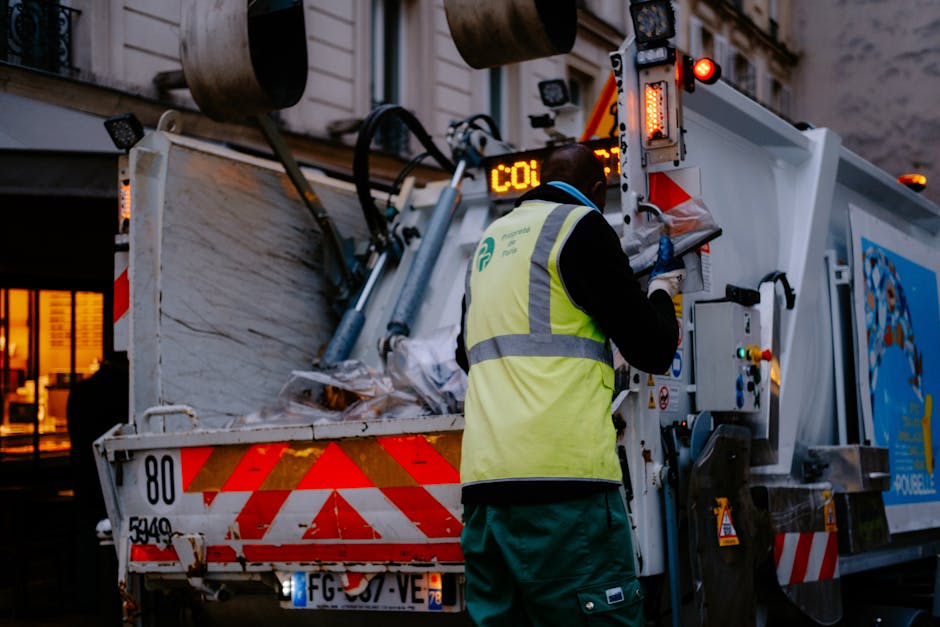
Here is a small local truth: moving day in Hackney can start with grey morning light, a delivery truck trying to reverse, and somebody from next door politely asking if you are nearly done. If you are prepared, that moment feels fine. If you are not, it feels like an exam you forgot was scheduled.
Sometimes the smartest move is choosing a well-matched service rather than trying to force a too-small or too-large setup. If you are comparing providers, the page on removal companies in Hackney E5 can help you think through the service level you actually need.
Common Mistakes to Avoid
Most removals problems in narrow Victorian terraces come from underestimating the physical environment. That is the honest answer.
- Not measuring furniture before the move. A sofa that fit the old lounge may still fail at the staircase bend.
- Overpacking boxes. It makes lifting harder and increases the chance of splits or drops.
- Leaving packing until the last evening. This almost always creates confusion, missing items, and rushed decisions.
- Ignoring street access. A van may not be able to park right outside the property for as long as you hope.
- Forgetting to protect the route. Floorboards, bannisters, and painted walls can take a beating very quickly.
- Assuming one person can "just carry" the awkward item. Maybe they can. But why gamble on your back?
One of the more common missteps is treating a terrace move like a standard suburban move. It is not. The property itself asks for a different method. Respect the house, and the house is less likely to fight back.
Another mistake is not asking about the service model early enough. If you need a larger vehicle, a more flexible arrival time, or a team that can handle heavier loads, a dedicated removal van in Hackney E5 may be more suitable than a casual hire arrangement.
Tools, Resources and Recommendations
You do not need a warehouse full of equipment, but a few practical tools can make the whole job noticeably easier.
- Measuring tape: Use it for furniture, doors, stair widths, and landing corners.
- Strong tape and labels: Clear labels save time at both ends of the move.
- Furniture blankets and covers: These help reduce scuffs during movement and transit.
- Basic toolkit: Screwdrivers, Allen keys, and a small hammer are usually worth having close by.
- Marker pens: Bright, readable labels are better than tiny handwriting on the side of a box nobody can see.
- Zip bags for screws and fittings: Tape each bag to the relevant item if you can. Future-you will be grateful.
If you are starting from scratch, choosing a service that can cover the practical bits as well as the transport can be helpful. For a wider overview of support options, you may want to look at removals in Hackney E5 and the company's about us page to understand how they approach local moving jobs.
For households with children, a move can be more than a logistics task. A familiar routine, a quiet unpacked corner, and a small box of favourite toys can make a difference on the first day. If that is part of your situation, this piece on helping children settle into a new home may be reassuring.
Law, Compliance, Standards, and Best Practice
Moving house is not usually a heavily regulated event in itself, but there are still sensible standards and local practices to respect. In Hackney Central, that mostly means being considerate, safe, and organised.
Here are the basics to keep in mind:
- Parking and access: Make sure vehicle placement does not create unnecessary obstruction. Temporary loading arrangements should be planned with local conditions in mind.
- Neighbour consideration: Keep pathways as clear as possible, avoid blocking doors, and minimise noise where you can.
- Manual handling: Heavy or awkward items should be lifted carefully and, where needed, by more than one person. Back injuries are not worth the shortcut.
- Property protection: Protect floors, bannisters, and walls, especially in older homes where surfaces can mark easily.
- Insurance awareness: If you are using a removals provider, it is sensible to understand what level of cover or handling expectation applies before moving day.
Best practice is about reducing risk, not just ticking boxes. A good removals day is one where the move feels controlled, the property stays intact, and no one has to improvise in a panic. That last part matters more than people admit.
For businesses moving between local premises, office-specific planning is different again. If your move includes a work address as well as the home, the page on office removals in Hackney E5 may be useful alongside the household planning above.
Options, Methods, and Comparison Table
There is no single correct way to move from a narrow terrace. The right option depends on the size of the property, the amount of furniture, the access conditions, and how much help you want on the day.
| Option | Best for | Strengths | Trade-offs |
|---|---|---|---|
| DIY van hire | Very small moves with simple access | Lower upfront cost, full control | More physical work, more risk, more planning burden |
| Man and van | Studios, one-bed flats, light terrace moves | Flexible, practical, helpful for tight streets | May not suit larger family homes or heavy furniture loads |
| Full removals team | Family homes, bulky furniture, time-sensitive moves | More hands, better handling, less strain on you | Usually more expensive than a basic transport-only option |
| Move with storage | Staggered move-ins or delayed completions | Reduces pressure when dates do not align | Requires more coordination and an extra handling stage |
For a lot of Hackney Central terraces, the sweet spot is a flexible local service rather than a complicated setup. A smaller, agile vehicle can be surprisingly effective where a larger lorry would struggle. That does not mean bigger is bad. It just means the street matters.
Case Study or Real-World Example
Imagine a typical two-up, two-down Victorian terrace near the centre of Hackney. The front room has a three-seat sofa, a dining table, a chest of drawers, several book boxes, and two mattresses. The staircase turns halfway up, the hallway is narrow, and the front kerb is busy most of the morning.
In a move like this, the winning approach is not brute force. It is sequencing. The team measures the sofa and sees that it will turn only if it is angled before the bottom stair. The wardrobe is dismantled. The bed frames are taken apart the evening before. Boxes are grouped by room rather than scattered around the house. Parking is checked early, and the route from upstairs to van is kept clear.
On the day, the move feels controlled. There is still effort, obviously. Nobody pretends otherwise. But the team is not improvising every five minutes, and the family is not standing in the doorway wondering whether the mattress will fit through the hall. The result is faster loading, fewer risks, and a much calmer first evening in the new place.
That is the real value of a good removals plan. It turns a potentially messy day into a sequence of manageable steps. Not glamorous, but very effective.
If you are still comparing support options, it can help to speak with a local team directly through the contact page and describe the property layout honestly. A few accurate details up front can save a lot of trouble later.
Practical Checklist
Use this checklist in the final week before your move. It is simple, but it works.
- Measure large furniture and compare it with doorways, stairs, and landings
- Confirm whether any items need dismantling
- Label boxes by room and contents
- Pack an essentials bag for the first 24 hours
- Arrange parking or loading access where needed
- Protect floors, corners, and bannisters
- Keep tools, chargers, and important documents with you
- Separate fragile items and mark them clearly
- Check the route from property to vehicle
- Plan for storage if the dates do not align
Quick reminder: if the move includes boxes, wraps, and a lot of small household items, make sure your packing materials are ready before the packing panic starts. That one really does sneak up on people.
Get a free quote today and see how much you can save.
Conclusion
Moving from a narrow Victorian terrace in Hackney Central does not need to be stressful, but it does need to be handled with a bit of respect for the building and the street. The narrow stairs, tight landings, and limited access are all manageable when you plan ahead, pack intelligently, and choose the right type of moving support.
The best removals day is rarely the flashiest one. It is the one where you measure properly, lift safely, keep calm, and get through the door without drama. That is what this guide is really about: making a difficult local move feel straightforward enough to manage. And honestly, that is a win.
For a trusted local approach to moving in the area, you can explore removal services in Hackney E5, compare the broader removal company options, or use the contact page to ask about your own property layout. A few clear answers now can make the whole day feel lighter.
Sometimes the best move is the one that lets you breathe a little easier when the van pulls away and the last box is in the right room. That moment matters.
Frequently Asked Questions
What makes moving from a narrow Victorian terrace in Hackney Central more difficult than other moves?
The main challenges are tight staircases, narrow hallways, small door openings, and limited street access. Older terrace homes often require more careful handling and better planning than modern properties.
Do I need a full removals team or is a man and van enough?
That depends on the size of the move and the furniture involved. A man and van can suit lighter, smaller moves, while larger households or awkward items usually benefit from a fuller team.
How should I measure furniture before moving day?
Measure height, width, and depth of each large item, then compare those figures with the narrowest doorways, stair turns, and landings. Do not forget the angle needed to carry the item through the route.
What should I pack separately for the first night?
Keep toiletries, chargers, kettle supplies, a change of clothes, basic medication, documents, and any essentials for children or pets in a separate bag or box that stays with you.
Can large furniture usually fit through Victorian terrace staircases?
Sometimes yes, sometimes no. It depends on the size and shape of the item, the turning space on the stairs, and whether it can be dismantled. A sofa may fit when angled carefully, while a wardrobe may not.
Is storage useful if my move-out and move-in dates do not line up?
Yes, short-term storage can be very helpful when completion dates shift or access is delayed. It takes pressure off the day and prevents rushed decisions.
How early should I book a removals service in Hackney Central?
As early as you reasonably can, especially if you are moving on a busy date or need a specific vehicle size. Early booking gives you more options and usually less stress.
What should I do if parking outside the terrace is limited?
Plan for it in advance. If the van cannot park directly outside, the team may need to work with a short carry route. Keep the walkway clear and allow extra time.
Are packing materials really worth paying for?
Usually yes, especially for fragile items, books, and heavy household contents. Proper boxes and wrap reduce the chance of damage and make loading much easier.
Can removals teams help dismantle beds and wardrobes?
Many can, but always confirm this before moving day. Dismantling can save a lot of time and make moving through narrow spaces far easier.
What is the biggest mistake people make with terrace moves?
The biggest mistake is underestimating how tight the property is. People often focus on the van and forget the staircase, landing, or turn at the front door. That is where the real problem usually lives.
How do I choose between different removal companies?
Look at the type of support they offer, whether it matches the size of your move, and whether they understand local access issues. A local provider with relevant experience is often a better fit than a generic one.